
Scrapbooking supplies are the heart of this creative hobby, transforming memories into tangible keepsakes. This guide delves into the diverse world of scrapbooking materials, from basic adhesives and papers to advanced tools and embellishments. We’ll explore where to find the best supplies, examine current trends, and uncover innovative uses for these versatile crafting essentials, offering a comprehensive resource for both beginners and experienced scrapbookers.
From understanding the differences between acid-free paper and standard paper to mastering various adhesive types, this exploration provides a practical understanding of the materials and techniques needed to create stunning and lasting scrapbook pages. We’ll also touch upon the art of storytelling within scrapbooking, emphasizing the importance of visual composition and the preservation of your cherished creations.
Defining Scrapbooking Supplies
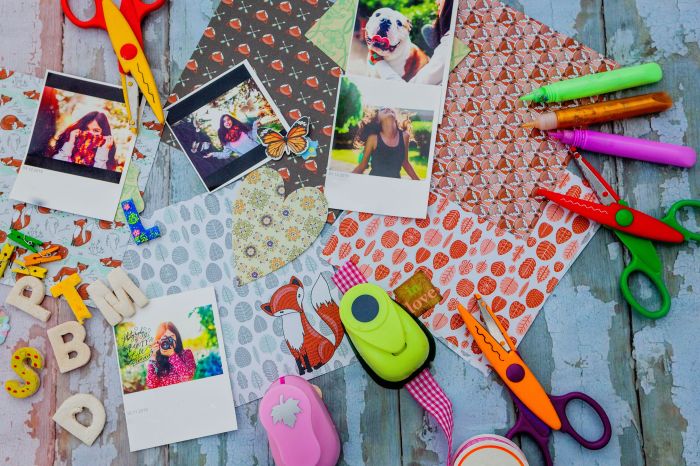
Scrapbooking is a creative hobby that involves preserving memories and experiences through the arrangement of photographs and mementos in decorative albums. The process relies heavily on a diverse range of supplies, each playing a crucial role in bringing a scrapbook page to life. Understanding these supplies and their functionalities is essential for both beginners and experienced scrapbookers.
Scrapbooking Supplies Categorized by Function
A comprehensive list of common scrapbooking supplies can be broadly categorized for easier understanding. The categories below highlight the essential tools and materials used in the process.
| Adhesives | Paper | Embellishments | Tools & Equipment |
|---|---|---|---|
| Glue sticks | Cardstock | Stickers | Scissors |
| Double-sided tape | Patterned paper | Brads | Paper trimmer |
| Glue dots | Specialty paper (e.g., vellum, textured) | Ribbons | Crop-a-dile (for eyelets) |
| Foam adhesive squares | Scrapbook paper pads | Buttons | Corner rounder |
| Liquid adhesive | Washi tape | Flowers | Ruler |
| Adhesive runner | Digital paper prints | Die-cuts | Bone folder |
Basic vs. Advanced Scrapbooking Supplies
The distinction between basic and advanced scrapbooking supplies primarily lies in the quality of materials and their level of functionality. Basic supplies are generally more affordable and readily available, suitable for beginners. They often feature simpler designs and less durable materials. For instance, basic cardstock might be thinner and less vibrant in color compared to its advanced counterpart.
Basic adhesives might not be as strong or precise. Advanced supplies, on the other hand, are typically higher quality, more versatile, and offer more specialized features. This includes thicker, more durable cardstock with richer colors, precision-engineered adhesives, and intricate embellishments. The difference is reflected in both the longevity of the project and the level of detail achievable.
Types of Paper Used in Scrapbooking
Various types of paper are used in scrapbooking, each offering unique properties and suitability for specific techniques. The weight (measured in pounds or gsm – grams per square meter), texture, and overall quality significantly impact the final look and feel of the scrapbook page.Cardstock, a common choice, is heavier than standard printer paper, providing greater durability and resistance to tearing.
It comes in a vast array of colors, patterns, and textures. Patterned paper, often sold in themed packs, provides a visually appealing background and complements photographs. Specialty papers, such as vellum (a translucent paper), offer unique visual effects. Vellum can be used to create overlays or subtle background layers. Textured papers, with embossed or debossed designs, add a tactile dimension to the project.
Finally, digital paper prints, created and printed using digital design software, allow for highly customized designs and patterns. The weight of paper influences its ability to hold embellishments and resist warping or bending. Heavier papers (typically 65lb and above) are better suited for layering and supporting heavier embellishments. The texture of the paper can influence the way ink and paint adhere to it, affecting the overall look and feel of the final product.
Scrapbooking Supply Sources
Securing the right scrapbooking supplies is crucial for bringing your creative visions to life. The availability and accessibility of these materials significantly impact both the project’s feasibility and the overall crafting experience. Choosing between online and offline retailers involves careful consideration of various factors to ensure a smooth and satisfying purchase.
The decision of where to buy your scrapbooking supplies—online or in a physical store—presents a unique set of advantages and disadvantages. Each option caters to different preferences and priorities, and understanding these nuances is key to making an informed choice.
Online Retailers versus Brick-and-Mortar Stores
Online retailers offer unparalleled convenience, often boasting a wider selection of products than smaller local stores. The ability to browse and shop from anywhere, at any time, is a significant draw. However, the lack of physical interaction with the products can lead to uncertainties regarding quality and texture. Shipping costs and potential delays also need to be factored in.
In contrast, brick-and-mortar stores allow for immediate access to the supplies, hands-on examination of materials, and personalized assistance from knowledgeable staff. The downside is often a more limited selection and potentially higher prices compared to online options.
Reputable Sources for Scrapbooking Supplies
Finding reliable suppliers is paramount for consistent quality and a positive crafting experience. A range of reputable options exist, both online and offline.
Below are some examples of trustworthy sources for high-quality scrapbooking supplies. The list is not exhaustive, but it offers a good starting point for your search.
- Online Retailers: Amazon, Etsy, Scrapbook.com, Michaels.com (often offering online-only deals)
- Brick-and-Mortar Stores: Michaels, Hobby Lobby, Joann Fabrics, Local craft stores (often offering personalized service and workshops)
Factors to Consider When Choosing a Supplier
Several crucial factors influence the decision-making process when selecting a scrapbooking supply supplier. Careful consideration of these elements ensures a smooth and satisfactory purchasing experience.
Price, selection, shipping costs, and customer service are all critical aspects to evaluate.
- Price: Compare prices across different retailers before committing to a purchase. Look for sales, discounts, and coupon codes to maximize savings.
- Selection: Consider the breadth and depth of the supplier’s product catalog. Do they offer the specific items you need, or do you need to source from multiple places?
- Shipping Costs: Factor in shipping fees, especially for online purchases. Some retailers offer free shipping above a certain purchase amount, while others may have tiered pricing based on weight or distance.
- Customer Service: Read reviews and testimonials to assess the supplier’s responsiveness and helpfulness. A responsive customer service team can be invaluable in resolving issues or answering questions.
Trends in Scrapbooking Supplies
The world of scrapbooking supplies is constantly evolving, reflecting broader design trends and technological advancements. Understanding these shifts is crucial for both hobbyists and businesses involved in the industry. This section will explore three prominent current trends, the evolution of supplies over the past decade, and a hypothetical new product concept.
Current Trends in Scrapbooking Supplies and Design Aesthetics
Three significant trends currently shaping the scrapbooking landscape are the rise of minimalist aesthetics, the increased use of digital scrapbooking techniques, and the growing popularity of specialty papers and embellishments. Minimalist scrapbooking emphasizes clean lines, muted color palettes, and a focus on high-quality materials. This contrasts sharply with the earlier, more heavily layered and embellished style. Digital scrapbooking offers greater accessibility and flexibility, allowing for intricate designs and easy editing.
Specialty papers, meanwhile, offer unique textures, patterns, and finishes that add depth and visual interest to projects.
Evolution of Scrapbooking Supplies Over the Past Decade
The past decade has witnessed a remarkable transformation in scrapbooking supplies. The introduction of sophisticated die-cutting machines, like the Cricut and Silhouette Cameo, revolutionized the crafting process, enabling precise and intricate shapes and designs to be easily created. This was complemented by a wider availability of digital design software and resources, allowing for personalized designs to be seamlessly integrated into physical projects.
Further innovations include the development of new adhesive technologies, offering stronger and more versatile bonding options. The material palette itself has also broadened significantly, with the introduction of various specialty papers, including textured cardstock, metallic foils, and translucent vellum. These advancements have moved scrapbooking beyond basic photo preservation, transforming it into a sophisticated form of visual storytelling.
Hypothetical New Scrapbooking Supply: The “Smart Stencil”
This innovative product would be a reusable stencil system integrated with a mobile application. The stencils themselves would be made from durable, flexible plastic, featuring a variety of interchangeable design patterns. The accompanying app would allow users to digitally design their own stencils, upload custom images, and even incorporate augmented reality elements into their projects. The app could also offer tutorials, design ideas, and a community forum.
The target market would be intermediate to advanced scrapbookers seeking greater design flexibility and precision, as well as those interested in exploring digital-physical hybrid crafting techniques. The “Smart Stencil” aims to bridge the gap between traditional and digital scrapbooking, offering a unique blend of tactile crafting and digital design capabilities. This system, unlike existing stencil systems, offers personalized, dynamic design options that can be updated and shared easily within the app’s community.
Creative Uses of Scrapbooking Supplies
Scrapbooking supplies, often relegated to the realm of memory preservation, possess a surprising versatility that extends far beyond traditional albums. Their inherent aesthetic qualities and diverse textures make them ideal for a wide range of creative projects, transforming everyday crafting into unique and personalized endeavors. This section explores innovative and unconventional uses for common scrapbooking supplies, demonstrating their adaptability and potential for unexpected artistic expression.
Unconventional Applications of Scrapbooking Supplies
The following table illustrates five innovative uses for common scrapbooking supplies, showcasing their potential beyond traditional scrapbooking:
| Supply | Unconventional Use | Description | Example |
|---|---|---|---|
| Cardstock | Handmade Gift Tags | Thick cardstock provides a sturdy base for personalized gift tags. Embellishments such as ribbons, brads, and stickers add a unique touch. | Cut cardstock into various shapes, emboss or stamp designs, and add layered embellishments for a sophisticated look. |
| Washi Tape | Decorative Book Covers | Washi tape’s adhesive properties and varied patterns make it perfect for creating unique book covers. | Wrap washi tape around a plain notebook cover, creating stripes, geometric patterns, or even illustrative scenes. |
| Embellishments (Buttons, Charms) | Jewelry Making | Small embellishments can be transformed into unique jewelry components. | Attach buttons to earring wires or string charms onto necklaces, creating personalized jewelry pieces. |
| Paper Flowers | Hair Accessories | Intricately crafted paper flowers can be attached to headbands or hair clips for elegant hair accessories. | Glue or sew paper flowers onto plain headbands or clips, adding beads or rhinestones for extra sparkle. |
| Scrapbooking Stickers | Personalized Planners/Journals | Stickers add a pop of color and personality to planners and journals. | Use stickers to label sections, mark important dates, or decorate pages for a visually appealing and functional planner. |
Combining Scrapbooking Supplies for Unique Textures and Effects
The true artistry of scrapbooking lies in the skillful combination of diverse materials to achieve unique textures and effects. Combining different papers, inks, and embellishments can create depth and visual interest. For example, layering patterned paper with textured cardstock, adding a distress ink wash for shading, and then embellishing with metallic accents can transform a simple card into a sophisticated piece.
Similarly, combining glossy and matte papers creates visual contrast, while using different embossing powders offers a range of textures from smooth to heavily textured. The possibilities are limited only by the crafter’s imagination.
Repurposing and Upcycling Used Scrapbooking Supplies
Leftover scraps of paper, ribbons, and embellishments can be repurposed for various craft projects, minimizing waste and maximizing creativity. Small pieces of patterned paper can be used to create miniature origami, while ribbon scraps can be incorporated into gift wrapping or jewelry making. Used brads and eyelets can be attached to cards or other craft projects, and leftover embellishments can be incorporated into mixed-media artwork.
This upcycling process not only saves materials but also encourages innovative approaches to crafting, fostering a sustainable and resourceful approach to creative pursuits.
Scrapbooking Techniques and Supplies
Scrapbooking offers a diverse range of techniques, each allowing for unique creative expression. The choice of technique often depends on the desired aesthetic and the skill level of the scrapbooker. Understanding these techniques and the associated supplies is crucial for achieving satisfying results. This section details three popular techniques and explores the nuances of adhesive selection.
Journaling Techniques
Effective journaling enhances a scrapbook’s narrative and emotional impact. Well-placed journaling adds depth and personal context to the photographs and embellishments. Several methods exist to incorporate journaling, each with its own aesthetic appeal. The following Artikels three popular approaches:
- Traditional Journaling: This involves writing directly onto the scrapbook page, often using a fine-tipped pen or calligraphy pen. Supplies include: acid-free journaling pens in various colors, a ruler for straight lines (optional), and potentially a lightbox or tracing paper for precise placement. This method offers a personal, handwritten touch.
- Typed Journaling: This utilizes a computer and printer to create neatly typed journal entries. Supplies include: computer and word processing software, acid-free printer paper, a printer, and adhesive to attach the printed journaling to the page. This option provides clean, consistent text.
- Stamped Journaling: This method uses rubber stamps and ink pads to create decorative or themed journaling. Supplies include: various rubber stamps with relevant words or phrases, ink pads in coordinating colors, a stamping block (for even pressure), and potentially a clear acrylic block for precise placement of smaller stamps. This technique adds a unique visual element to the journaling.
Paper Piecing Techniques
Paper piecing involves meticulously cutting and layering different patterned papers to create complex designs or illustrations. This technique allows for intricate detail and visual interest, adding depth and texture to the scrapbook page.
- Basic Paper Piecing: This involves cutting shapes from different papers and layering them to create a cohesive image. Supplies needed include: patterned papers in various colors and designs, sharp scissors or a craft knife, adhesive (such as a glue stick or precision glue pen), and potentially a template or pattern for consistent shapes.
- Reverse Paper Piecing: This technique begins with a base shape, and smaller pieces are layered onto it, creating a more complex design. The same supplies are needed as basic paper piecing, but a more detailed template or pattern is often beneficial.
- Advanced Paper Piecing: This involves the creation of more complex images, often requiring multiple layers and intricate cutting. The same supplies as basic paper piecing are required, but experience and patience are key. Precision cutting tools, like a rotary cutter and self-healing mat, may also be helpful.
Embellishment Techniques
Embellishments add visual interest and personality to a scrapbook page. Strategic placement and selection of embellishments can significantly enhance the overall aesthetic.
- Die-Cutting: This involves using a die-cutting machine to create precise shapes from various materials like cardstock, vellum, or metallic foil. Supplies include: a die-cutting machine (like a Cricut or Silhouette), various dies (cutting templates), and the chosen materials. This method allows for intricate and consistent shapes.
- Mixed Media: This combines various materials like paints, inks, and textures to create unique embellishments or backgrounds. Supplies include: acrylic paints, ink pads, stencils, texture pastes, and various brushes. This offers a highly customizable approach to embellishment.
- Sticker Application: This is a quick and easy method of adding pre-made embellishments. Supplies include: stickers, sticker sheets, and potentially a sticker tool for precise placement and removal of air bubbles. This is a convenient and versatile method for embellishing pages.
Adhesive Comparison, Scrapbooking supplies
Choosing the right adhesive is critical for long-lasting and aesthetically pleasing scrapbook pages. Different adhesives have varying strengths and weaknesses.
| Adhesive Type | Strengths | Weaknesses |
|---|---|---|
| Glue Sticks | Easy to use, low cost, good for lightweight items | Can be messy, not ideal for heavy items or delicate papers |
| Liquid Adhesives (e.g., craft glue) | Versatile, good for a variety of materials, strong bond | Can be messy if overused, drying time varies |
| Double-Sided Tape | Clean application, precise placement, strong bond for some weights | Can be expensive, limited in use for delicate items or certain paper types |
| Glue Dots | Precise placement, strong hold for small items | Not ideal for large items or heavy embellishments |
| Foam Adhesive Squares | Adds dimension, clean application | Can be bulky, less suitable for flat layouts |
Creating a Custom Scrapbook Layout
Designing a scrapbook layout involves careful consideration of photo placement, embellishment selection, and overall page composition. The process begins with selecting photographs that tell a story or capture a specific memory. These photos should then be arranged on the page, considering balance and visual flow. Embellishments are added to enhance the story and complement the photos, ensuring that they don’t overpower the images.
The placement of journaling and titles is also crucial, maintaining a balance between visual elements and written content. Experimentation with different layouts and arrangement styles is encouraged to find a personalized and aesthetically pleasing design.
The Art of Scrapbooking
Scrapbooking transcends the simple act of pasting photos into an album; it’s a powerful medium for preserving memories and expressing oneself creatively. It allows us to not only document events but also to explore our emotions, perspectives, and personal narratives through a visually rich and tactile experience. The artistry lies in the thoughtful arrangement of elements, creating a cohesive and engaging story that resonates with the creator and, potentially, with others who view it.The process of scrapbooking offers a unique blend of personal expression and artistic skill.
It’s a deeply personal journey of reflection and remembrance, transforming scattered memories into a tangible and meaningful narrative. The creative choices made – from color palettes to layout design – reflect the scrapbooker’s individual style and the story they aim to tell. This personal expression is what elevates scrapbooking from simple record-keeping to a true art form.
Storytelling and Personal Expression in Scrapbooking
Effective scrapbooking involves more than just chronologically arranging photographs. It requires a deliberate crafting of a narrative, weaving together images, text, and embellishments to convey a specific story or feeling. This might involve highlighting key moments, emphasizing emotional connections, or exploring a particular theme. The scrapbooker acts as a storyteller, carefully selecting elements that contribute to the overall narrative and emotional impact of the page.
Personal expression is paramount; the scrapbook becomes a reflection of the creator’s unique perspective and emotional response to the events being documented. The selection of photos, the choice of words, and the overall aesthetic all contribute to this personalized narrative.
The Role of Color, Texture, and Composition
Color plays a vital role in setting the mood and tone of a scrapbook page. A vibrant, warm palette might evoke feelings of joy and excitement, while cooler tones could create a more serene or reflective atmosphere. The skillful use of color can also guide the viewer’s eye through the page, highlighting key elements and creating visual harmony.
Texture adds another layer of depth and interest. The interplay of rough and smooth surfaces, varied materials, and different weights of paper can create a tactile experience that enhances the visual appeal. Composition, the arrangement of elements on the page, is crucial for creating a balanced and visually pleasing design. Effective composition uses principles of visual balance, contrast, and emphasis to guide the viewer’s gaze and create a cohesive overall effect.
A Visually Stunning Scrapbook Page
Imagine a two-page spread dedicated to a family trip to the beach. The left page features a large, slightly faded photograph of the family building a sandcastle, bathed in the warm, golden light of sunset. The sandcastle itself is subtly highlighted with a fine-tipped gold pen, adding a touch of elegance. The color scheme is predominantly warm – sandy beiges, soft corals, and deep blues reminiscent of the ocean.
Several smaller photos, arranged in a staggered pattern, capture other moments from the day: a close-up of seashells, children playing in the waves, and a shot of the setting sun reflecting on the water. These smaller images are bordered with thin strips of textured, linen-like paper, adding a subtle tactile element. The right page features handwritten journaling, detailing specific memories and emotions from the trip, written in a flowing script on cream-colored cardstock.
Several small, intricately designed metal charms – seashells, starfish, and lighthouses – are subtly scattered around the journaling, adding a touch of whimsy and sophistication. The overall effect is one of warmth, nostalgia, and a sense of cherished family memories. The composition is balanced, with the large photograph anchoring the left page and the journaling providing a counterpoint on the right, creating a visually harmonious and emotionally resonant spread.
Preserving Scrapbooks
Creating a scrapbook is a labor of love, capturing precious memories and moments. To ensure these cherished keepsakes remain vibrant and accessible for generations to come, proper preservation is essential. Understanding the methods of storage, the use of archival materials, and techniques for repair will significantly extend the life of your scrapbook.Proper storage conditions are paramount in preventing deterioration.
High temperatures, humidity, and direct sunlight are all detrimental to the materials used in scrapbooks. Exposure to these elements can lead to fading, discoloration, warping, and even mold growth.
Storage and Environmental Considerations
Optimal storage involves keeping scrapbooks in a cool, dark, and dry environment. Ideal temperature ranges between 65-70°F (18-21°C) and relative humidity should be maintained around 30-50%. Acid-free boxes or archival-quality storage containers provide protection from dust, light, and pests. Avoid storing scrapbooks in attics, basements, or garages where temperature and humidity fluctuate dramatically. Regular inspection for signs of damage, such as mold or pest infestation, is also crucial.
Consider using acid-free tissue paper or archival-quality separators between pages to prevent sticking and abrasion. For long-term storage, consider climate-controlled storage facilities if your home environment isn’t consistently stable.
Archival-Quality Materials and Techniques
The longevity of a scrapbook is significantly influenced by the materials used in its creation. Choosing archival-quality materials is key. Acid-free paper, cardstock, and adhesives are crucial. These materials are specifically designed to resist yellowing and degradation over time. Avoid using materials containing lignin, a component of wood pulp that contributes to acidification.
Similarly, choose archival-quality inks and pens that are fade-resistant. Avoid using glue sticks or adhesives that may become brittle or yellow over time. Photographic prints should be acid-free and preferably printed on archival-quality paper. Consider using protective sleeves or encapsulation for photographs to prevent them from scratching or deteriorating.
Repairing and Restoring Damaged Scrapbooks
Even with careful preservation, scrapbooks may eventually require repair. Minor tears can be mended using archival-quality tape or adhesive. For larger tears, professional conservation may be necessary. If pages have become stuck together, gently separate them using a soft brush and archival-quality deacidification solution. Discoloration or fading can sometimes be mitigated with professional cleaning, but this should be undertaken by a specialist to avoid further damage.
Mold growth requires immediate attention and often necessitates professional intervention. Remember, attempting repairs without proper knowledge can lead to further damage, so seeking professional help when necessary is highly recommended. Documenting repair efforts, including materials used and techniques employed, can be valuable for future reference.
Ultimately, scrapbooking supplies are more than just materials; they are the tools that allow us to preserve our memories and share our stories in a visually captivating way. By understanding the range of available supplies, exploring different techniques, and prioritizing preservation, you can create lasting and meaningful scrapbooks that will be treasured for generations to come. The journey of scrapbooking is as unique as the individual, and this guide provides the foundation for a creative and fulfilling experience.
FAQs: Scrapbooking Supplies
What type of adhesive is best for photos?
Acid-free photo mounting squares or adhesives are recommended to prevent damage to your photos over time.
How do I prevent my scrapbook from fading?
Use acid-free papers and archival-quality inks and adhesives. Store your scrapbook in a cool, dark, and dry place.
Where can I find unique scrapbooking embellishments?
Specialty craft stores, online marketplaces like Etsy, and even antique shops can offer unique embellishments.
What is the difference between cardstock and scrapbook paper?
Cardstock is generally thicker and more durable than scrapbook paper, making it suitable for bases and elements that require sturdiness.


