
Scrapbooking ideas offer a captivating blend of artistry and personal storytelling. This exploration delves into diverse scrapbooking styles, techniques, and thematic approaches, guiding you through the process of creating visually stunning and emotionally resonant keepsakes. We’ll cover everything from choosing the right materials and mastering essential techniques to preserving your finished projects and showcasing them proudly.
From traditional methods using physical materials to the digital realm, we will explore the evolution of scrapbooking, examining how design aesthetics and popular themes have shifted over the years. This guide aims to equip you with the knowledge and inspiration needed to embark on your own creative scrapbooking journey, whether you’re a seasoned crafter or a curious beginner.
Defining Scrapbooking Styles
Scrapbooking, a cherished hobby for many, encompasses a diverse range of styles, each reflecting unique aesthetic preferences and creative approaches. Understanding these distinct styles allows scrapbookers to refine their personal expression and explore the vast potential of this engaging craft. This section will explore five prominent scrapbooking styles, highlighting their characteristics and common elements.
Scrapbooking Styles Overview
The following table provides a concise overview of five distinct scrapbooking styles, outlining their aesthetic characteristics, typical materials, and example color palettes. These are not exhaustive categories, and many scrapbookers blend elements from different styles to create unique projects.
| Style Name | Description | Common Materials | Example Color Palette |
|---|---|---|---|
| Shabby Chic | A romantic and slightly distressed aesthetic, characterized by soft colors, delicate embellishments, and a vintage feel. Often incorporates lace, pearls, and muted floral patterns. | Lace, pearls, distressed papers, vintage-style photos, soft-colored ribbons, floral embellishments | Soft pinks, creams, lavenders, muted greens, beige |
| Clean and Simple | Emphasizes minimalist design, clean lines, and a focus on high-quality photos. Avoids clutter and excessive embellishments. | High-quality cardstock, simple embellishments (e.g., a single ribbon or sticker), minimalist patterned papers | Neutral tones (black, white, gray), accented with one or two bold colors |
| Vintage | Captures a nostalgic feel, often incorporating antique-inspired elements, aged papers, and sepia-toned photographs. | Aged papers, sepia-toned photos, antique-style embellishments (e.g., buttons, keys), distressed inks | Sepia tones, browns, creams, muted yellows, rust |
| Mixed Media | Combines various art forms and materials, such as paints, inks, stencils, and textures, to create layered and visually rich pages. | Acrylic paints, inks, stencils, textured papers, fabric scraps, metal embellishments | A wide range of colors, often layered and blended for a dynamic effect |
| Travel Scrapbooking | Focuses on documenting travel experiences, incorporating photos, tickets, maps, and other mementos from journeys. | Tickets, maps, postcards, travel brochures, photos, stamps, journaling tags | Colors reflecting the travel destinations (e.g., blues and greens for ocean voyages, earthy tones for hiking trips) |
Digital vs. Traditional Scrapbooking
Digital and traditional scrapbooking offer distinct advantages and disadvantages. Traditional scrapbooking provides a tactile experience and allows for greater creative control over layering and embellishments. However, it can be more time-consuming and expensive. Digital scrapbooking offers convenience, ease of editing, and the ability to easily share projects online. However, it may lack the tactile satisfaction of working with physical materials and requires specific software and hardware.
Evolution of Scrapbooking Trends
Over the past two decades, scrapbooking trends have evolved significantly. Early scrapbooking focused heavily on heavily decorated pages with numerous embellishments and layered elements. The “flat” style, featuring clean lines and less embellishment, emerged as a reaction to this trend, emphasizing a more minimalist aesthetic. The rise of digital scrapbooking introduced new possibilities, allowing for easy manipulation of images and the creation of intricate designs.
More recently, a renewed appreciation for simpler designs and a focus on storytelling through photos and journaling has become increasingly prevalent. Themes have shifted from heavily themed albums (weddings, babies) to more personal and less prescriptive approaches. For example, the popularity of project life, a style emphasizing smaller, more frequent layouts, reflects a shift towards capturing everyday moments.
Scrapbooking Techniques and Methods
Scrapbooking is more than just sticking photos to paper; it’s a creative process involving various techniques and methods to tell a story. Mastering these techniques allows for the creation of visually appealing and emotionally resonant scrapbook pages. This section explores several key techniques and provides a practical guide to enhance your scrapbooking skills.
Creating a Layered Scrapbook Page
Layering adds depth and visual interest to a scrapbook page. By strategically overlapping elements, you create a dynamic and engaging composition. The following steps detail the process of creating a layered page using different paper types, embellishments, and adhesive techniques.
- Choose your base paper: Select a coordinating cardstock or patterned paper as your foundation. Consider the overall theme and color scheme of your page when making this selection. A heavier weight cardstock provides a sturdy base for layering.
- Select papers for layering: Choose 2-3 additional patterned papers or cardstock in complementary colors and patterns. Vary the textures and weights for added visual appeal. Consider using papers with subtle textures or embossing for a more sophisticated look.
- Cut and arrange your layers: Cut your chosen papers into various shapes and sizes – rectangles, squares, circles, or even free-form shapes. Experiment with different arrangements until you find a pleasing composition. Remember to leave some negative space to avoid overwhelming the page.
- Add embellishments: Incorporate embellishments such as stickers, ribbons, brads, or chipboard elements. These add visual interest and can enhance the theme of your page. Carefully consider the placement of embellishments to complement the overall design.
- Adhesive techniques: Use a combination of adhesive techniques for a professional finish. Acid-free adhesives are recommended to prevent damage to photos and papers over time. Consider using double-sided tape, glue dots, or foam adhesive for dimension and lift.
- Attach photos: Once the layers are arranged, carefully adhere your photos. Use photo corners or photo mounts to add a polished touch and protect your photos from damage. Consider the placement of your photos within the layered design.
- Finishing touches: Add any final touches, such as journaling, titles, or additional embellishments. Ensure all elements are securely attached and that the overall design is balanced and visually appealing.
Innovative Photo Incorporation Techniques
Simple photo placement can be enhanced with innovative techniques that add visual impact and storytelling potential.
- Photo Masking: Cut shapes or designs from patterned paper or cardstock and layer them over your photos, revealing only portions of the image. This technique creates a unique and artistic effect, focusing attention on specific elements within the photograph.
- Photo Overlays: Use transparent vellum or acetate sheets to overlay your photos. This adds a subtle layer of texture and allows for additional journaling or embellishments to be layered on top without obscuring the photo completely. Experiment with different colors and patterns of vellum for diverse effects.
- Photo tearing and distressing: Intentionally tear the edges of your photos to create a rustic or vintage look. This technique adds a unique texture and can be particularly effective when combined with other distressed elements on the page. Remember to protect the photo itself from excessive tearing by carefully managing the process.
Mixed Media Scrapbook Page Design
This design utilizes a unique color scheme of teal, coral, and gold, incorporating mixed media elements to create a visually rich and textured page.The page features a large teal-colored canvas background, painted with a textured acrylic paint to create a subtle distressed look. A coral-colored fabric scrap is layered onto the canvas, creating a soft contrast. Gold-colored metallic paint is used to highlight specific areas of the fabric and canvas, adding a touch of elegance.
Several photographs are layered onto the fabric and canvas, secured with acid-free adhesive. Found objects, such as small seashells and dried flowers, are incorporated around the photos, adding depth and visual interest. Journaling is written on a small, folded piece of textured paper in gold ink, complementing the overall color scheme. The page evokes a sense of nostalgia and adventure, reflecting the theme of a summer beach vacation.
The combination of paint, fabric, and found objects creates a unique tactile experience, enhancing the storytelling aspect of the scrapbook page.
Theme-Based Scrapbooking Ideas
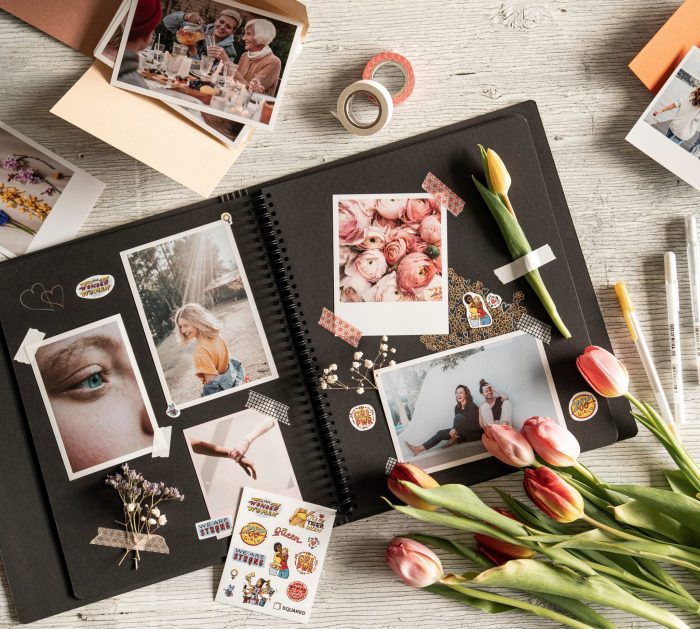
Theme-based scrapbooking allows for creative expression and personalized storytelling, transforming ordinary memories into captivating narratives. By focusing on a specific theme, you can unify the design elements and photos, creating a cohesive and visually appealing scrapbook. This approach enhances the storytelling aspect, guiding the viewer through a specific journey or period of life.
Travel Destination Scrapbook Page Layouts
Below are five distinct scrapbook page layouts centered around different travel destinations, showcasing how varied design choices can reflect the unique atmosphere of each location.
Paris, France:
The page features a soft, romantic aesthetic. Photos include the Eiffel Tower at sunset, a charming Parisian street scene, and a close-up of a delicious pastry. Design elements incorporate muted pinks, soft greys, and delicate floral embellishments. A handwritten journal entry detailing the experience of a romantic evening stroll along the Seine adds a personal touch.
Kyoto, Japan:
This page adopts a minimalist, serene design. Photos include a serene bamboo forest, a traditional Japanese garden, and a detail shot of a carefully crafted teacup. The color palette is comprised of earthy tones, greens, and soft creams. Calligraphy-style journaling, incorporating Japanese characters, would complement the overall aesthetic. Subtle, understated embellishments, such as small paper cranes, would add visual interest.
Safari in Tanzania:
This page employs a bold, adventurous design. Photos showcase wildlife encounters – a majestic lion, a herd of elephants, a breathtaking sunrise over the savanna. The color scheme is warm and earthy, with browns, oranges, and deep greens dominating. Textured papers, perhaps mimicking animal hide, and layered elements would enhance the adventurous feel. Journaling could focus on the thrill of the safari experience.
New York City, USA:
This page uses a vibrant, energetic design. Photos capture iconic landmarks – the Empire State Building, Times Square at night, a bustling street scene. The color palette is bold and varied, mirroring the city’s dynamism. Use bright, contrasting colors and incorporate elements like cityscape cutouts or ticket stubs. Journaling could describe the energy and excitement of the city.
The Amalfi Coast, Italy:
This page embraces a bright, cheerful design. Photos include stunning coastal views, picturesque villages, and delicious Italian food. The color palette is bright and sunny, with blues, yellows, and oranges dominating. Use textured papers that evoke the feeling of sun-drenched beaches. Journaling should capture the beauty and tranquility of the Amalfi Coast.
Life Event Scrapbook Page Ideas
Scrapbooking life events provides a powerful way to preserve and share significant moments. The following examples demonstrate how to create meaningful and visually appealing pages.
Graduation:
This page showcases the achievement of graduation. Photos include the graduate in their cap and gown, with friends and family, and a close-up of the diploma. Design elements could incorporate school colors, diplomas, and academic-themed embellishments. Journaling could reflect on the journey and future aspirations.
Wedding:
This page captures the joy and celebration of a wedding. Photos include the couple, the ceremony, and details like the flowers and cake. Design elements could incorporate elegant fonts, lace, and romantic embellishments. Journaling could recount the vows and special moments from the day.
Birth of a Child:
This page celebrates the arrival of a new baby. Photos include the newborn, the parents, and details like tiny footprints and hands. Design elements could incorporate soft colors, baby-themed embellishments, and delicate patterns. Journaling could document the birth story and early days of the child’s life.
Unique Theme Ideas for Scrapbooking, Scrapbooking ideas
A diverse range of themes allows for personalized scrapbook creation, catering to various interests and age groups.The following list offers ten unique theme ideas, each with potential design elements:
- Favorite Recipes: Photos of dishes, handwritten recipes, and food-themed embellishments.
- Movie Marathon Nights: Movie posters, ticket stubs, popcorn containers, and related memorabilia.
- Gardening Adventures: Photos of plants, flowers, gardening tools, and nature-inspired embellishments.
- Family Pet Memories: Photos of beloved pets, collars, toys, and pet-related accessories.
- Music Collection: Album covers, concert tickets, lyrics, and musical instruments.
- Travel Journal: Photos of landmarks, maps, postcards, and travel-themed embellishments.
- Bookworm’s Paradise: Book covers, favorite quotes, bookmarks, and literary-inspired embellishments.
- DIY Projects: Photos of finished projects, tools, and materials used in the creation process.
- Artistic Explorations: Photos of artwork, sketches, and art supplies.
- Childhood Memories: Photos of toys, drawings, and significant childhood objects.
Scrapbooking Materials and Tools
Gathering the right materials and tools is crucial for a successful scrapbooking project, whether you prefer the tactile experience of traditional scrapbooking or the digital flexibility of its counterpart. The specific tools and materials will vary depending on your chosen style and the complexity of your project, but some essentials remain consistent across both methods.
Essential Tools and Materials for Traditional Scrapbooking
Traditional scrapbooking relies on physical tools and materials to create tangible memory albums. The selection of tools and materials will significantly impact the final look and feel of your scrapbook pages. Careful consideration of quality and functionality will enhance your crafting experience.
- Scrapbook Album: Choose an album that suits your project’s size and style. Options range from simple, adhesive-bound books to more elaborate, archival-quality albums with protective pages.
- Cutting Tools: A sharp pair of scissors is essential for precise cutting. A rotary cutter and cutting mat are invaluable for larger projects and more intricate designs, offering speed and accuracy.
- Adhesives: Acid-free adhesives are crucial for preserving your photos and papers. Options include glue sticks, double-sided tape, photo corners, and adhesive squares. Choose adhesives appropriate for the weight and texture of your materials.
- Paper: A variety of papers are used, including cardstock for sturdiness, patterned paper for visual interest, and textured paper for added dimension. Acid-free papers are essential for long-term preservation.
- Embellishments: These add personality and visual appeal. Options include stickers, ribbons, brads, buttons, and various other decorative items. The choice of embellishments should complement the overall theme and style of the scrapbook.
- Pens and Markers: Acid-free pens and markers are ideal for journaling and adding handwritten details to your scrapbook pages. Consider different nib sizes and colours for varied effects.
Essential Tools and Materials for Digital Scrapbooking
Digital scrapbooking utilizes software and digital resources to create scrapbook pages. While it eliminates the need for physical tools like scissors and glue, it requires a different set of essential elements.
- Computer and Software: A computer with sufficient processing power and storage is essential. Specialized digital scrapbooking software provides templates, design tools, and image editing capabilities. Popular options include Adobe Photoshop Elements and various other dedicated programs.
- Digital Images and Papers: High-resolution digital images are crucial. Digital scrapbooking also utilizes digital papers, which are available in a vast array of styles and patterns. These can be purchased or created.
- Graphics Tablet (Optional): A graphics tablet enhances precision and control, especially when working with intricate details or handwritten elements.
- Digital Embellishments: A wide variety of digital embellishments, such as stickers, ribbons, and frames, are available for download or purchase. These can be layered and manipulated within the software.
Types of Scrapbook Paper
The choice of scrapbook paper significantly impacts the visual appeal and longevity of your project. Different types of paper offer varying properties and are suited to different applications.
| Paper Type | Properties | Suitability |
|---|---|---|
| Cardstock | Thick, sturdy, durable | Bases for pages, creating structure, supporting heavier embellishments |
| Patterned Paper | Variety of colours, designs, and patterns | Adding visual interest, backgrounds, creating thematic elements |
| Textured Paper | Embossed, linen, or other textured surfaces | Adding depth and visual interest, creating focal points |
Effective Use of Embellishments
Embellishments play a vital role in enhancing the visual appeal and storytelling aspects of a scrapbook page. Careful selection and placement of embellishments can elevate a project from ordinary to extraordinary.
For instance, strategically placed stickers can highlight key moments or add playful accents. Ribbons can be used to create borders, add texture, or tie together elements on a page. Brads can add a pop of color and dimension, securing layers or adding visual interest. The key is to use embellishments thoughtfully, avoiding overcrowding and ensuring they complement the overall design and theme of the page.
Overuse can detract from the overall aesthetic, so less is often more.
Preserving and Displaying Scrapbooks
Creating a scrapbook is a labor of love, a tangible record of memories and experiences. To ensure these cherished creations remain vibrant and accessible for years to come, understanding proper preservation and display methods is crucial. This section details techniques for protecting your scrapbooks and showcasing them effectively in your home or office.Protecting finished scrapbooks involves a multifaceted approach encompassing storage and handling.
Acid-free materials are paramount to preventing damage from chemicals that can cause discoloration and deterioration over time. Proper storage conditions help mitigate environmental factors that can lead to fading, warping, or pest infestations.
Scrapbook Storage and Handling Techniques
Optimal storage involves keeping scrapbooks in a cool, dry, and dark environment. Avoid attics and basements prone to temperature fluctuations and moisture. Acid-free boxes or archival-quality storage containers offer superior protection against light damage and dust accumulation. When handling your scrapbooks, always wash your hands to prevent the transfer of oils and dirt. Use clean, cotton gloves to further minimize handling-related damage.
Avoid exposing your scrapbooks to direct sunlight or excessive heat. Regularly inspect your scrapbooks for any signs of damage, such as mold or insect infestation, and address these issues promptly.
Displaying Finished Scrapbooks
Displaying your scrapbooks allows you to share your memories and enjoy them frequently. Several options exist, each with its advantages and disadvantages. A simple yet effective method is to use a dedicated display shelf or bookcase, ensuring adequate spacing to prevent damage from stacking. This approach offers good accessibility and allows for easy viewing. Alternatively, you can incorporate your scrapbooks into your home décor, perhaps as a centerpiece on a coffee table (using a protective cover), or as a focal point on a wall shelf.
This method allows for aesthetic integration, transforming your scrapbooks into decorative elements. For those with limited space, using a rotating display system—where you periodically change which scrapbooks are on display—allows you to showcase different albums without overwhelming your space.
Creative Presentation of a Scrapbook Album
Imagine presenting a scrapbook album as a gift. The presentation itself can enhance the experience. For a rustic charm, consider a burlap-covered box tied with twine, accompanied by a handwritten note. The scrapbook could rest on a bed of soft tissue paper inside the box. For a more elegant presentation, a sturdy, linen-covered box with a magnetic closure could be used.
The scrapbook could be nestled within acid-free tissue paper, with a small, personalized card placed on top. Alternatively, a custom-made wooden presentation box with engraved lettering could add a unique and personalized touch. The choice of packaging and presentation materials should reflect the style and theme of the scrapbook itself, ensuring a cohesive and memorable presentation.
Exploring the Art of Scrapbooking
Scrapbooking transcends simple album creation; it’s a powerful form of visual storytelling, a deeply personal creative outlet, and a unique method for self-reflection. This section delves into the artistic principles behind scrapbooking, its therapeutic benefits, and its potential for personal growth.Scrapbooking’s core principle lies in its ability to translate memories and experiences into a tangible, visually compelling narrative. Design elements—color palettes, font choices, photo arrangement, embellishments, and journaling—collaborate to create a cohesive and emotionally resonant story.
The careful selection of colors, for example, can evoke specific feelings; a vibrant palette might reflect joy, while muted tones might suggest nostalgia. Similarly, the placement of photographs and the use of embellishments guide the viewer’s eye, controlling the pacing and emphasis of the narrative. Journaling adds a crucial layer, providing context, emotions, and details that enrich the visual elements.
Visual Storytelling and Design Principles in Scrapbooking
Effective scrapbooking relies on understanding fundamental design principles. Consider the rule of thirds, which suggests placing key elements off-center for a more dynamic composition. Using consistent fonts and color schemes creates visual harmony, while strategically placed white space prevents the page from feeling cluttered. The choice of paper textures and embellishments also contributes to the overall aesthetic and narrative.
A rustic paper might complement photos from a camping trip, while sleek, modern papers could enhance photos from a city adventure. The interplay of these elements transforms individual memories into a cohesive and visually engaging story.
Emotional and Therapeutic Benefits of Scrapbooking
Scrapbooking offers significant emotional and therapeutic benefits. The act of selecting photos, choosing embellishments, and writing journal entries is a meditative process that encourages mindfulness and self-reflection. Organizing and arranging memories can be cathartic, helping individuals process emotions and experiences. The tangible nature of the scrapbook provides a lasting record of personal history, offering comfort and reassurance. Moreover, scrapbooking can foster creativity and self-expression, boosting self-esteem and providing a sense of accomplishment.
For those dealing with stress or anxiety, the focused nature of the activity can provide a welcome distraction and a sense of calm.
Scrapbooking as a Tool for Self-Reflection and Personal Growth
Scrapbooking can be a powerful tool for self-discovery and personal growth.
- Tracking Personal Growth: Creating a scrapbook dedicated to personal goals and achievements allows for visual tracking of progress. Include photos, journal entries documenting milestones, and reflections on lessons learned. This visual representation of growth can be incredibly motivating and rewarding.
- Processing Difficult Emotions: Scrapbooking can be a safe and constructive way to process difficult emotions. By dedicating a page or section to a challenging experience, individuals can externalize their feelings and gain a new perspective. The act of creating can be therapeutic, allowing for emotional release and healing.
- Exploring Identity and Values: A scrapbook can serve as a visual exploration of personal identity and values. Include photos and mementos representing significant relationships, hobbies, beliefs, and life experiences. This process of reflection can lead to a deeper understanding of oneself and one’s place in the world.
Ultimately, scrapbooking is more than just a hobby; it’s a powerful tool for self-expression, memory preservation, and personal reflection. By exploring various styles, techniques, and themes, you can transform cherished memories into tangible works of art that will stand the test of time. We hope this comprehensive guide has ignited your creativity and provided you with the resources to embark on your own unique scrapbooking adventures.
Popular Questions
What type of adhesive is best for scrapbooking?
Acid-free adhesives are crucial for preserving your scrapbook pages. Glue sticks, photo-safe double-sided tape, and archival-quality adhesives are all good choices.
How do I prevent photos from fading in my scrapbook?
Use acid-free paper and photo sleeves or adhesives. Store your scrapbook in a cool, dark, and dry place away from direct sunlight.
Where can I find unique scrapbooking supplies?
Specialty craft stores, online retailers, and even antique shops can offer unique and unusual scrapbooking supplies.
What is the best way to organize my scrapbook supplies?
Utilize storage containers, drawers, and dividers to keep your supplies organized by type and color. Consider a dedicated crafting space for easier access.


