Scrapbooking trends 2024 promise a vibrant year for crafting enthusiasts. This exploration delves into the evolving landscape of scrapbooking, examining the most popular styles, innovative techniques, and the enduring appeal of this cherished hobby. From minimalist designs to maximalist masterpieces and the seamless integration of digital elements, we’ll uncover the key trends shaping the future of scrapbooking.
We’ll analyze the dominant color palettes and themes predicted for the year, exploring their emotional impact and providing practical examples. Further, we will investigate the materials and tools driving innovation, highlighting emerging techniques and offering a step-by-step guide to one particular method. The discussion also encompasses the evolution of scrapbooking, highlighting its enduring charm and the factors contributing to its sustained popularity.
Popular Scrapbooking Styles in 2024
The scrapbooking landscape is constantly evolving, with new trends emerging each year. 2024 promises a diverse range of styles, catering to various creative preferences and skill levels. Three styles are predicted to dominate: minimalist, maximalist, and hybrid scrapbooking. These approaches offer distinct aesthetic and practical differences, allowing scrapbookers to express their unique personalities and storytelling approaches.
Minimalist Scrapbooking, Scrapbooking trends 2024
Minimalist scrapbooking emphasizes clean lines, simple layouts, and a restrained color palette. The focus is on showcasing a few key photos or mementos, letting them speak for themselves without overwhelming embellishments. Think of a single, high-quality photograph placed on a neutral background, perhaps with a short, handwritten caption. This style values simplicity and elegance, creating a sophisticated and timeless feel.
An example might be a scrapbook page featuring a single, large portrait photo of a loved one, accented only by a subtle border and a delicate handwritten date. The overall effect is clean, uncluttered, and impactful.
Maximalist Scrapbooking
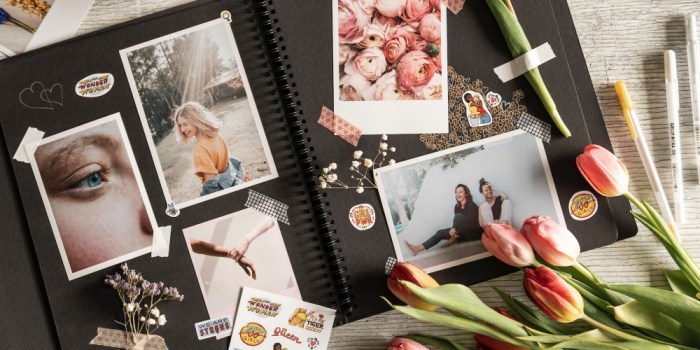
In contrast to minimalism, maximalist scrapbooking embraces abundance and layers. This style is characterized by a rich use of color, texture, and embellishments. Multiple photos, stickers, ribbons, washi tape, and other decorative elements are incorporated to create a visually exciting and busy page. Think of a page overflowing with photos, ephemera, and decorative elements, creating a collage-like effect.
A prime example would be a page documenting a vibrant festival, using photos, ticket stubs, patterned papers, and glitter to capture the energy and excitement of the event. The more, the merrier is the motto here.
Hybrid Scrapbooking
Hybrid scrapbooking cleverly combines the digital and physical worlds. This style utilizes digital design software to create elements such as backgrounds, embellishments, and even entire page layouts, which are then printed and incorporated into a physical scrapbook. This allows for greater customization and precision, while retaining the tactile pleasure of working with physical materials. For instance, a scrapbooker might digitally create a custom background with intricate patterns and then print it onto cardstock.
They might then add physical photos, stickers, and journaling to complete the page, achieving a uniquely blended aesthetic.
Comparison of Scrapbooking Styles
| Style Name | Key Characteristics | Materials Used |
|---|---|---|
| Minimalist | Clean lines, simple layouts, restrained color palette, emphasis on high-quality photos | High-quality photo paper, neutral-colored cardstock, minimal embellishments (perhaps a simple pen or fine-liner) |
| Maximalist | Abundant use of color, texture, and embellishments, layered design, collage-like effect | Variety of patterned papers, stickers, ribbons, washi tape, glitter, numerous photos, various embellishments |
| Hybrid | Blends digital and physical elements, utilizes digital design software for layout and embellishments, printed elements incorporated into physical scrapbook | Digital design software, printer, cardstock, physical photos, stickers, embellishments (may be a mix of printed and physical) |
Trending Color Palettes and Themes
Scrapbooking trends in 2024 are leaning towards palettes that evoke a sense of calm, nostalgia, and vibrant energy, reflecting a desire for both comforting familiarity and exciting new experiences in personal memory-keeping. These palettes aren’t strictly defined but rather serve as inspirational starting points for creative expression.The emotional impact of color palettes significantly influences the overall mood and feeling of a scrapbook.
Warm tones often convey feelings of happiness, comfort, and nostalgia, while cooler tones might suggest serenity, calmness, or even a touch of mystery. Bold, contrasting palettes can create energy and excitement, reflecting a dynamic life experience. Understanding this impact allows scrapbookers to intentionally curate the emotional resonance of their projects.
Earthy Neutrals with Pops of Teal
This palette blends calming neutrals like cream, beige, and taupe with the refreshing vibrancy of teal. The earthy tones provide a grounding base, while the teal adds a touch of unexpected energy and sophistication. This combination evokes a sense of tranquility and natural beauty. Themes that align well with this palette include nature-focused projects (landscapes, botanicals, wildlife), rustic weddings, or projects documenting peaceful moments like relaxing vacations or quiet evenings at home.
A mood board for this palette might feature a cream-colored background, accented with beige cardstock, taupe-colored patterned paper, and teal embellishments such as ribbons, buttons, and washi tape. The overall mood would be serene and subtly elegant.
Warm Sunset Hues
This palette utilizes the rich, warm tones of a sunset: burnt orange, deep coral, golden yellow, and soft rose. It creates a feeling of warmth, happiness, and nostalgia, reminiscent of cherished memories and golden hours. Themes perfectly suited to this palette include family vacations, summer adventures, celebrations, and projects documenting significant life events that evoke feelings of joy and warmth.
A mood board for this palette could showcase a burnt orange background with layered coral and yellow patterned papers. Golden yellow highlights, such as metallic foil accents or glitter, would enhance the warmth. Soft rose-colored flowers or ribbons would add a touch of delicate femininity, creating a mood that is both vibrant and heartwarming.
Bold Jewel Tones with Black Accents
This palette uses deep, saturated colors like emerald green, sapphire blue, ruby red, and amethyst purple, contrasted with black for a dramatic effect. It projects a sense of luxury, sophistication, and even a touch of mystery. This palette is ideal for projects that want to make a bold statement, such as travel journals documenting exotic locations, sophisticated wedding albums, or projects showcasing personal achievements that deserve a touch of grandeur.
A mood board could feature a black background, allowing the jewel tones to truly pop. Emerald green and sapphire blue patterned papers could be layered, accented with ruby red and amethyst purple embellishments. The black background adds depth and contrast, creating a mood that is both luxurious and intriguing.
Innovative Scrapbooking Techniques
Scrapbooking is constantly evolving, with new techniques emerging to enhance creativity and personalize projects. This section explores three innovative approaches gaining traction in 2024, focusing on the materials, tools, and step-by-step application of one technique in particular.
Alcohol Ink Techniques
Alcohol inks are translucent, vibrant inks that react beautifully with various surfaces, creating unique and unpredictable effects ideal for adding depth and dimension to scrapbook pages. They are particularly well-suited for backgrounds, embellishments, and creating abstract art within a scrapbook layout. The unpredictable nature of alcohol inks allows for spontaneous designs, making each project one-of-a-kind.The materials required for alcohol ink techniques include alcohol inks in various colors, Yupo paper (a synthetic paper that is resistant to alcohol inks and water), blending solution, a palette or non-porous surface for mixing, pipettes or droppers for precise application, and possibly a heat tool for accelerating drying or creating interesting textures.
Additional tools, such as stencils or masks, can further enhance design possibilities.
Epoxy Resin Embellishments
Epoxy resin is a versatile material used to create stunning, three-dimensional embellishments for scrapbooks. It allows for the embedding of various objects like flowers, glitter, or small photographs, resulting in unique, glossy, and eye-catching elements. The process requires careful attention to detail and proper mixing ratios to ensure the resin cures correctly. However, the final result is a highly durable and visually striking addition to any scrapbook page.
The necessary materials include two-part epoxy resin (resin and hardener), a mixing cup and stir stick, silicone molds (to shape the resin), gloves, and various embellishments to embed within the resin (dried flowers, glitter, small photos, etc.). A heat gun can be used to remove air bubbles, and a UV resin can be added for faster curing.
Watercolor Wash Techniques
Watercolor washes offer a delicate and ethereal approach to creating backgrounds and subtle accents in scrapbooking. This technique allows for smooth color transitions and soft, diffused effects, lending a romantic or dreamy feel to the page. It’s an excellent method for creating backgrounds that complement delicate photos or floral themes. The controlled blending of colors offers a wide range of artistic possibilities, from soft gradients to more dramatic washes.The materials needed for watercolor washes include watercolor paints (in tubes or pans), brushes (various sizes and shapes), watercolor paper (thicker paper is recommended to prevent buckling), a palette or container for water, and a clean cloth or paper towels for cleaning brushes.
A spray bottle can be used to add more water to the washes for softer effects.
Step-by-Step Guide: Alcohol Ink Background
Creating a vibrant and unique background using alcohol inks is relatively straightforward. Follow these steps for a stunning effect:
- Prepare your workspace: Cover your work surface with a protective layer, such as newspaper or a plastic sheet. Ensure adequate ventilation.
- Gather your materials: Have your Yupo paper, alcohol inks, blending solution, pipettes, and gloves ready.
- Apply the inks: Using a pipette, apply drops of alcohol ink onto the Yupo paper. Experiment with different colors and placement. Remember that the inks will blend and spread.
- Blend the inks: Use a pipette with blending solution to gently move and blend the inks. You can create various effects by controlling the amount of blending solution used.
- Add details (optional): Use stencils, masks, or additional drops of ink to add details or create specific patterns.
- Allow to dry: Let the alcohol ink completely dry before handling or adding other elements to your scrapbook page. A heat tool can accelerate the drying process.
Digital Scrapbooking Integration: Scrapbooking Trends 2024
The line between traditional and digital scrapbooking is blurring, with many scrappers now seamlessly integrating both methods to create richer, more dynamic layouts. This integration allows for greater creativity and flexibility, combining the tactile satisfaction of working with physical materials with the versatility and editing power of digital tools. The result is a hybrid approach that offers the best of both worlds.Digital elements are enhancing traditional scrapbooking in several key ways.
Digital papers, embellishments, and journaling cards can add layers of texture, color, and design that are difficult or impossible to achieve solely with physical materials. Furthermore, digital tools allow for precise placement, resizing, and layering of elements, resulting in a more polished and professional look. This also opens up possibilities for personalized designs, incorporating unique fonts, graphics, and even custom-created digital stamps.
Digital images, scanned photos, or even digital artwork can be effortlessly incorporated into physical layouts, expanding the range of visual possibilities.
Software and Apps for Digital Scrapbooking Integration
Several software programs and mobile apps facilitate this digital-physical blend. Popular desktop software includes Adobe Photoshop Elements, which offers powerful editing capabilities, and Affinity Photo, a more affordable alternative with a similar feature set. These programs allow for creating and editing digital elements, as well as enhancing scanned images. For mobile users, apps like Procreate (for iPad) and various digital scrapbooking apps available on both iOS and Android offer simpler, more intuitive interfaces for creating and editing digital embellishments and layouts.
These mobile apps often provide pre-designed templates and elements, making them particularly user-friendly for beginners. Furthermore, many online platforms offer digital scrapbooking kits, providing a wide variety of pre-made elements that can be easily downloaded and incorporated into projects.
Advantages and Disadvantages of Combining Digital and Physical Scrapbooking
Combining digital and physical methods presents both benefits and drawbacks. On the plus side, digital tools offer unparalleled flexibility and precision in design. They allow for easy correction of mistakes, the creation of custom elements, and the seamless integration of various media types. The ability to easily duplicate elements, adjust colors, and apply effects also significantly increases efficiency.
However, relying heavily on digital elements can diminish the tactile experience of scrapbooking, and the cost of software and digital kits can add up. There’s also a potential learning curve associated with mastering digital scrapbooking software. Furthermore, the longevity of digital files is a concern; ensuring proper storage and backup is crucial to avoid data loss.
Sample Layout: A Blend of Digital and Physical Elements
Imagine a two-page spread commemorating a family vacation to the beach. The left page features a physical photo of the family building a sandcastle, matted with a textured, physical cardstock. Overlaid on the photo is a digitally created, semi-transparent watercolor wash in a coordinating color palette, subtly enhancing the photo’s vibrancy without obscuring it. This digital wash adds depth and complements the physical textures.
To the right of the photo, digitally created journaling blocks, featuring a hand-written style font, describe the day’s events. These digital blocks are subtly textured to mimic the physical cardstock. The right page showcases a collection of smaller, physical seashells arranged artistically. These shells are digitally enhanced with a subtle glow effect applied only to specific areas, creating a magical, whimsical look.
Surrounding the shells are digitally created sea-themed embellishments—tiny starfish, waves, and bubbles—placed strategically to guide the viewer’s eye and complete the design. This combination creates a visually appealing and cohesive layout that effectively blends the tactile and digital aspects of scrapbooking.
Scrapbooking’s Evolution and its Continued Appeal
Scrapbooking, a seemingly modern pastime, boasts a surprisingly rich history, evolving from simple forms of personal record-keeping to the intricate and diverse hobby we know today. Its enduring popularity stems from a unique blend of creativity, nostalgia, and the ability to preserve precious memories in a tangible and personalized way. This enduring appeal continues to thrive in 2024, driven by several key factors.Scrapbooking’s enduring appeal lies in its ability to transform personal memories into cherished keepsakes.
It’s a deeply personal and expressive activity, allowing individuals to curate their life stories through photographs, mementos, and handwritten journaling. The process itself is therapeutic, providing a creative outlet and a way to connect with the past. This tactile experience offers a stark contrast to the fleeting nature of digital memories, contributing significantly to its continued relevance.
The Historical Journey of Scrapbooking
Scrapbooking’s origins can be traced back centuries, long before the advent of mass-produced scrapbooking supplies. Early forms involved simply pasting significant papers, letters, and pressed flowers into books or albums. The Victorian era saw a rise in more decorative approaches, with elaborate embellishments and artistic flourishes. The late 20th century witnessed a significant shift, with the introduction of readily available photo albums and decorative materials.
This period saw the rise of themed scrapbooking, and the standardization of materials and techniques. The digital revolution further transformed the hobby, integrating technology and offering new creative possibilities.
Factors Contributing to Scrapbooking’s Continued Popularity in 2024
Several key factors fuel scrapbooking’s ongoing popularity. The desire to preserve tangible memories in a digital age is paramount. Unlike fleeting digital photos, scrapbooks offer a lasting, physical record of life’s important moments. The creative outlet provided by scrapbooking allows for self-expression and stress relief, appealing to a wide range of individuals. Furthermore, the hobby fosters a sense of community, with numerous online and in-person groups providing support, inspiration, and opportunities for connection.
The evolving trends in styles, techniques, and materials also keep the hobby fresh and exciting, attracting both seasoned scrapbookers and newcomers. The integration of digital elements offers further opportunities for creativity and personalization.
A Timeline of Scrapbooking Milestones
The following timeline highlights key moments in the evolution of scrapbooking:
| Year (Approximate) | Milestone |
|---|---|
| 17th-18th Centuries | Early forms of scrapbooking emerge, focusing on preserving important documents and ephemera. |
| Victorian Era | More decorative scrapbooking develops, incorporating embellishments and artistic techniques. |
| Mid-20th Century | Photo albums become more widely available, influencing scrapbooking practices. |
| Late 20th Century | The modern scrapbooking industry emerges, with mass-produced supplies and themed albums. |
| 21st Century | Digital scrapbooking and hybrid techniques gain popularity, blending traditional and digital methods. |
In conclusion, scrapbooking in 2024 presents a captivating blend of tradition and innovation. The year promises exciting new techniques, vibrant color palettes, and the continued evolution of this beloved hobby. Whether embracing minimalist aesthetics, maximalist expressions, or the hybrid approach combining digital and physical elements, the possibilities are as limitless as one’s creativity. The enduring appeal of scrapbooking lies in its ability to preserve memories, express individuality, and foster a deep connection with the creative process.
Questions Often Asked
What are the best online resources for scrapbooking inspiration?
Pinterest, Instagram, and various scrapbooking blogs offer a wealth of inspiration, tutorials, and project ideas.
How can I preserve my scrapbook pages to prevent fading?
Use acid-free paper and photo-safe adhesives. Store your scrapbooks in a cool, dark, and dry place away from direct sunlight.
What is the best way to organize my scrapbooking supplies?
Employ storage solutions tailored to your needs, such as clear containers, drawers, and labeled boxes, to keep your materials organized and easily accessible.


