
Personalized scrapbooking transcends the traditional hobby, becoming a deeply personal and expressive art form. It’s about more than just preserving memories; it’s about crafting a visual narrative that reflects your unique experiences, personality, and style. This journey delves into the techniques, materials, and creative processes involved in creating truly bespoke scrapbooks.
From selecting the perfect papers and embellishments to mastering layout techniques and incorporating meaningful storytelling elements, personalized scrapbooking offers a rewarding creative outlet. This guide explores both the practical aspects, such as choosing adhesives and utilizing digital tools, and the artistic considerations, such as developing a compelling narrative arc and utilizing mixed media. Whether you’re a seasoned scrapbooker or a curious beginner, this exploration provides valuable insights and inspiration.
Defining Personalized Scrapbooking
Personalized scrapbooking, unlike traditional scrapbooking, prioritizes the individual’s unique story and aesthetic preferences above all else. While traditional scrapbooking often follows pre-defined themes or styles, personalized scrapbooking embraces individuality, allowing for a completely bespoke and deeply personal representation of memories and experiences. The focus shifts from adhering to established formats to creating a truly unique visual narrative reflecting the scrapbooker’s personality and creative vision.Individual preferences and stories are the driving forces behind every design and content choice in personalized scrapbooking.
The selection of photos, the choice of colors and patterns, the style of journaling, and even the type of embellishments used – all contribute to a cohesive representation of the scrapbooker’s unique identity and experiences. A travel scrapbook, for instance, might incorporate tickets, maps, and postcards, reflecting the specific journey, while a family scrapbook might showcase hand-drawn illustrations by children or unique family recipes.
The resulting scrapbook becomes a highly personal artifact, far more than just a collection of photographs.
Custom Layouts and Design Choices, Personalized scrapbooking
Personalized scrapbooking often involves custom layouts that break free from the constraints of pre-made templates. Instead of using standard page structures, scrapbookers might opt for asymmetrical designs, unconventional color palettes, or unique arrangements of photos and embellishments. This freedom allows them to create pages that are as visually interesting and dynamic as their memories themselves. For example, a scrapbook page celebrating a child’s first steps might use a circular layout, with photos arranged around a central image of the child, mimicking the child’s movement.
Unique Embellishments and Decorative Elements
The embellishments chosen in personalized scrapbooking are equally important in reflecting the individual’s personality. Instead of relying on commercially available embellishments, scrapbookers might incorporate handmade elements, such as hand-painted watercolor washes, pressed flowers, or fabric scraps. These personal touches add depth and texture, enhancing the emotional resonance of the scrapbook. A scrapbook documenting a gardening hobby, for example, might incorporate pressed flowers and dried leaves from the garden itself, directly connecting the physical elements to the memories being documented.
Personalized Journaling and Storytelling Techniques
Journaling in personalized scrapbooking goes beyond simple captions. It becomes a powerful tool for sharing personal reflections, anecdotes, and emotions connected to the memories depicted. Scrapbookers might use different writing styles, incorporating poetry, song lyrics, or even handwritten recipes to enrich their storytelling. The tone and style of journaling can vary greatly, reflecting the individual’s personality and writing style.
A scrapbook documenting a significant life event might include heartfelt reflections on personal growth, while a travel journal might focus on capturing the sensory details of the experience.
Materials and Tools for Personalized Scrapbooking
Embarking on a personalized scrapbooking journey requires gathering the right tools and materials. The process is as much about the creative expression as it is about the careful selection and application of these elements. Choosing the right supplies will significantly impact the final look and feel of your scrapbook pages, enhancing the storytelling and preserving memories in a visually appealing and durable manner.
Essential Materials and Tools
Selecting the right materials is crucial for a successful scrapbooking project. The following list categorizes essential supplies, ensuring you have everything needed to bring your creative vision to life.
- Paper: This forms the foundation of your scrapbook pages. Consider various types, including cardstock, patterned paper, and specialty papers like vellum or textured papers. Different weights and textures will add visual interest and enhance the overall aesthetic.
- Adhesives: Securely attaching photos, embellishments, and other paper elements is paramount. Options include adhesive tape (double-sided or washi tape), glue sticks, liquid glue, and photo mounting squares.
- Embellishments: These add personality and visual flair. Options range from stickers and ribbons to buttons, brads, charms, and die-cuts. Consider using embellishments that reflect the theme or story you are conveying.
- Cutting Tools: Precision cutting is essential for clean lines and intricate designs. Essential tools include scissors (both regular and craft scissors), a paper trimmer, and potentially a craft knife for more detailed work.
- Other Tools: A bone folder for creasing paper, a ruler for accurate measurements, and a pencil for sketching layouts are also valuable additions to your scrapbooking arsenal.
Scrapbooking Paper Comparison
Different types of scrapbooking paper offer unique characteristics. Understanding these differences allows for informed choices based on project needs and desired aesthetics. The table below compares key features:
| Paper Type | Texture | Weight (lbs) | Design Options |
|---|---|---|---|
| Cardstock | Smooth to slightly textured | 65-110 | Solid colors, subtle patterns |
| Patterned Paper | Smooth | 65-80 | Wide variety of colors, patterns, and themes |
| Vellum | Translucent, slightly textured | 20-40 | Often solid colors or subtle patterns |
| Specialty Paper (e.g., textured) | Embossed, linen, etc. | 65-110 | Varied; often complements other paper types |
Adhesive Types: Advantages and Disadvantages
Choosing the right adhesive depends on the project’s specific needs and the materials being adhered. Different adhesives offer unique benefits and drawbacks.
- Glue Sticks: Advantages: Easy to use, low mess, relatively inexpensive. Disadvantages: Not ideal for heavy items or photos, can wrinkle paper if too much is used, may not adhere well to certain surfaces.
- Liquid Glue: Advantages: Strong bond, works well with various materials. Disadvantages: Can be messy, requires drying time, may warp photos if too much is applied.
- Adhesive Tape (Double-Sided): Advantages: Clean, precise application, strong hold for many materials. Disadvantages: Can be expensive, may leave residue, not ideal for intricate designs.
- Photo Mounting Squares: Advantages: Acid-free, archival quality, easy to use, leaves no residue. Disadvantages: Can be bulky, not ideal for delicate items, limited in terms of placement flexibility.
Design and Layout Techniques for Personalized Scrapbooks
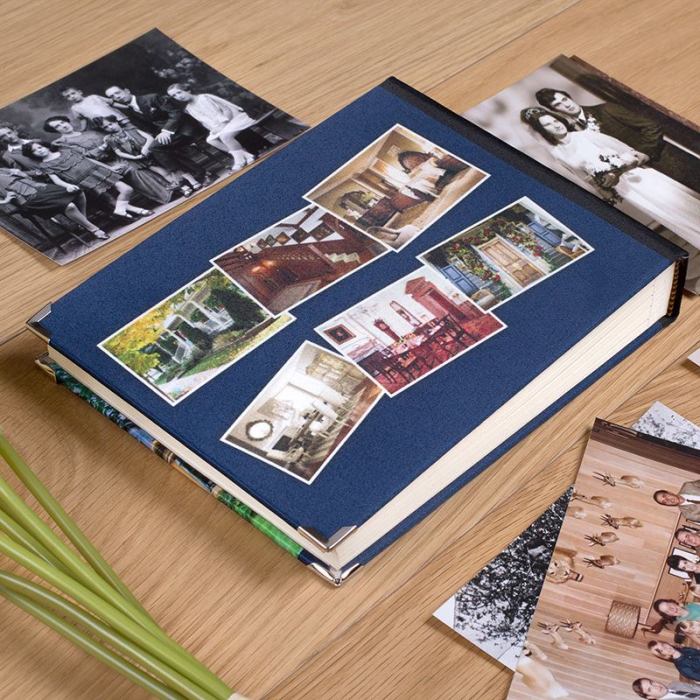
Designing a personalized scrapbook involves more than just sticking photos to pages; it’s about crafting a visual narrative that reflects your unique style and memories. Effective layout techniques are crucial in achieving a cohesive and engaging scrapbook that tells your story effectively. Careful consideration of visual balance, storytelling flow, and the incorporation of personal elements are key to creating a truly memorable keepsake.
Several layout techniques contribute to a visually appealing and balanced scrapbook. These techniques allow for creative expression and ensure that your memories are presented in an engaging and organized manner. Understanding and applying these techniques will elevate your scrapbooking from simple photo storage to a meaningful artistic endeavor.
Asymmetrical Layouts
Asymmetrical layouts offer a dynamic and visually interesting alternative to traditional symmetrical designs. Instead of a perfectly balanced arrangement, asymmetrical layouts utilize varying sizes and placements of photos and embellishments to create a sense of movement and energy. For instance, a large photograph might dominate one side of the page, balanced by several smaller photos and embellishments clustered on the opposite side.
This technique prevents monotony and keeps the viewer’s eye moving across the page, exploring the details of the memories captured. The key is to maintain a sense of visual balance, even with the asymmetry, preventing one side from feeling too heavy or overwhelming.
Photo Clusters
Photo clusters are a powerful way to showcase a series of related photographs, telling a story within a small space. This technique involves grouping several photos of varying sizes together, creating a visual focal point on the page. The photos can be arranged in a variety of ways – perhaps chronologically, thematically, or even randomly to reflect the spontaneous nature of the moment.
Adding small embellishments like journaling tags or decorative stickers between the photos can further enhance the storytelling aspect of the cluster. For example, a cluster of photos from a family vacation could be arranged to show the progression of the trip, with journaling tags adding details about each location.
Storytelling Approaches
Effective storytelling is the heart of personalized scrapbooking. Rather than simply displaying photos, a well-designed scrapbook page tells a complete story. This might involve arranging photos chronologically, incorporating journaling to provide context and details, and using embellishments to enhance the narrative. For example, a page documenting a child’s first day of school could include a photo of the child getting ready, a photo at the school entrance, and a photo with their teacher.
Journaling could include details about their feelings, the teacher’s name, and the child’s favorite part of the day. Embellishments like stickers, ribbons, or small drawings could add visual interest and reinforce the overall narrative.
Incorporating Personal Elements
Personal elements add a unique and deeply meaningful touch to a scrapbook. Handwritten notes, offering personal reflections and emotions, breathe life into the memories captured. Pressed flowers, ticket stubs, or other mementos from the event can be incorporated to add tangible connections to the past. These elements transform the scrapbook from a collection of photos into a true reflection of the individual’s experiences and personality.
For instance, a pressed flower from a wedding bouquet can be carefully placed on a page dedicated to the special day, adding a fragrant and lasting reminder of the occasion. A ticket stub from a concert could be included to showcase a cherished memory of a particular event.
Creating Visually Appealing and Balanced Layouts
Achieving a visually appealing and balanced layout involves careful consideration of several factors. The placement of photos, the amount of journaling, and the strategic use of embellishments all contribute to the overall aesthetic. A good rule of thumb is to maintain a balance between the different elements, avoiding overcrowding or empty spaces. Photos should be varied in size and placement, and journaling should be concise and well-integrated into the layout.
Embellishments should complement the overall design, rather than overpowering it. Consider using a variety of textures and colors to add visual interest, but avoid using too many competing elements. A well-designed page will feel harmonious and cohesive, allowing the memories to shine.
Storytelling Through Personalized Scrapbooking
Personalized scrapbooking transcends the simple act of preserving photos; it’s a powerful medium for crafting narratives that encapsulate life’s precious moments and experiences. By thoughtfully arranging photos, mementos, and written reflections, you create a tangible record of your personal history, enriching memories and making them accessible for years to come. This process of storytelling transforms a collection of images into a vibrant, personal narrative.The act of selecting specific photographs, journaling entries, and other mementos allows for a deliberate and reflective approach to recalling and re-experiencing past events.
It’s a journey of self-discovery, enabling you to reconnect with emotions, relationships, and significant life changes. This active engagement with memory strengthens its impact and allows for a deeper understanding of your personal journey.
Chronological Narratives
A chronological approach to storytelling within a scrapbook arranges events in the order they occurred. This straightforward method is ideal for documenting significant life events, such as a child’s growth, a family vacation, or a year-long personal project. Imagine a scrapbook dedicated to a child’s first year, with photos and mementos arranged month by month, capturing their development from infancy to toddlerhood.
Each page could showcase a milestone – first steps, first words, first birthday – accompanied by journaling entries detailing the associated emotions and experiences. The visual timeline created enhances the narrative’s impact, providing a clear and compelling account of the child’s progress.
Thematic Presentations
Alternatively, a thematic approach focuses on a specific recurring theme or subject. This allows for a more nuanced exploration of a particular aspect of your life. For example, a scrapbook dedicated to the theme of “travel” could include photos and mementos from various trips, highlighting the unique aspects of each destination and the emotions associated with travel. This approach facilitates a deeper reflection on the significance of travel in one’s life, revealing patterns and insights that might not be evident in a purely chronological narrative.
Another example could be a scrapbook centered around “friendship,” showcasing photos and stories of significant relationships throughout the years.
Emotional Journeys
Focusing on emotional experiences offers another compelling narrative structure. This approach prioritizes the feelings and emotions associated with particular events, creating a scrapbook that resonates with the reader on a deeply personal level. A scrapbook centered on overcoming a challenge, for example, could depict the emotional highs and lows of the experience, showcasing both the struggles and eventual triumphs.
The visual representation of this journey, coupled with written reflections, creates a powerful testament to resilience and personal growth. This approach allows for a more intimate and reflective storytelling experience.
Crafting a Compelling Narrative Arc
Crafting a compelling narrative within a personalized scrapbook involves a deliberate approach to sequencing and presentation.
- Identify a central theme or focus: Before beginning, define the overall narrative you wish to convey. This could be a specific event, a period of time, or a recurring theme in your life.
- Gather relevant materials: Collect photos, mementos, and journaling entries that support your chosen theme. Ensure that the materials are relevant and evocative, contributing to the overall narrative.
- Develop a chronological or thematic structure: Decide whether to present the story chronologically or thematically, selecting the structure that best suits your chosen theme and the materials you’ve gathered.
- Create a visual flow: Arrange photos and mementos in a way that guides the reader’s eye through the story, using techniques like color coordination, consistent layouts, and strategic use of white space.
- Incorporate journaling entries: Add journaling entries to provide context, emotion, and personal reflection, enriching the visual narrative and providing deeper insights into the experiences depicted.
- Refine and edit: Once the scrapbook is complete, review it to ensure the narrative flows smoothly and effectively communicates the intended message. Make any necessary adjustments to improve the overall coherence and impact.
Digital Tools and Techniques for Personalized Scrapbooking
Digital scrapbooking offers a powerful and versatile alternative to traditional methods, allowing for greater creativity and control over the final product. The ability to easily manipulate images, add intricate embellishments, and experiment with different layouts makes it an increasingly popular choice for those seeking a personalized approach to preserving memories. This section will explore the various digital tools and techniques available to enhance the personalization process.Digital scrapbooking software and platforms provide a range of features that significantly expand the possibilities of personalized design.
These tools move beyond the limitations of physical materials, offering a wider selection of fonts, embellishments, and design elements. The non-destructive nature of digital editing allows for experimentation and revisions without the risk of damaging physical materials. This flexibility is key to achieving a truly unique and personalized scrapbook.
Digital Scrapbooking Software and Platforms
Several software programs and online platforms cater to digital scrapbooking needs, each offering a unique set of features and functionalities. Popular choices include Adobe Photoshop Elements, which provides a robust set of image editing and design tools suitable for experienced users, and Creative Memories software, which offers a more user-friendly interface geared towards beginners. Other options include various online platforms that offer subscription-based access to a library of templates, embellishments, and design elements.
The choice of software depends largely on the user’s technical skills and the complexity of the desired projects. For instance, users comfortable with advanced image editing might prefer Photoshop Elements, while those seeking a simpler, more intuitive experience might opt for Creative Memories or a user-friendly online platform.
Enhancing Personalization with Digital Tools
Digital tools dramatically enhance the personalization process by providing unparalleled flexibility and control. Users can easily customize designs by adjusting colors, adding custom text with a wide array of fonts, and incorporating unique embellishments. The ability to seamlessly integrate photographs, scanned mementos, and other digital elements allows for a highly personalized and expressive final product. For example, one might digitally enhance a faded photograph to restore its vibrancy, or create a custom collage using images from different sources.
The possibilities are virtually limitless.
Online Resources for Digital Scrapbooking Materials
Numerous online resources offer a vast library of digital scrapbooking templates, images, and embellishments. These resources often include both free and paid options, catering to various budgets and skill levels. Websites specializing in digital scrapbooking supplies frequently offer pre-designed kits, individual elements, and collections that can be easily downloaded and integrated into projects. Many online marketplaces also provide a platform for independent designers to sell their unique creations, offering a diverse range of styles and aesthetics.
For example, Etsy and Creative Market are popular platforms where designers sell their digital scrapbooking kits. These resources offer a convenient and readily accessible source of high-quality digital assets to enhance the personalization of any scrapbook.
Scrapbooking: A Broader Perspective
Scrapbooking, while seemingly a modern pastime, boasts a surprisingly rich history and continues to evolve with changing technologies and artistic trends. Its core purpose – preserving memories and telling personal stories – remains constant, but the methods and styles have undergone significant transformations.
The Historical Development of Scrapbooking
The practice of preserving personal memories through collected items and written accounts predates the modern hobby by centuries. Early forms can be traced back to commonplace books and journals from the 16th and 17th centuries, where individuals meticulously documented their lives through handwritten entries, pressed flowers, and other mementos. The evolution towards what we recognize as modern scrapbooking occurred gradually.
The mid-20th century saw the rise of photo albums, offering a more structured approach to memory-keeping, often featuring standardized layouts and pre-printed pages. The true explosion of scrapbooking as a hobby, however, began in the late 20th century, fueled by the increased availability of decorative papers, embellishments, and specialized tools. This period saw the rise of themed albums, elaborate layouts, and a burgeoning community of enthusiasts sharing ideas and techniques.
A Comparison of Scrapbooking Styles and Trends
Scrapbooking styles are as diverse as the individuals who practice it. Traditional scrapbooking emphasizes the use of acid-free papers and archival-quality materials to ensure longevity. Layouts are often carefully planned, with meticulous attention to detail and a focus on clean lines and balanced compositions. This contrasts sharply with the more casual, often digital, style of project life scrapbooking, which prioritizes speed and spontaneity.
Project life scrapbooks often use pre-made templates and readily available digital embellishments, focusing on capturing everyday moments and documenting daily life. Another popular style is memory keeping, which is characterized by a simpler approach that prioritizes the preservation of memories over intricate design. This approach often incorporates more handwritten journaling and less embellishment. The rise of digital scrapbooking has introduced yet another dimension, allowing for greater flexibility in design and the incorporation of digital images and fonts.
The Social and Emotional Benefits of Scrapbooking
Scrapbooking offers a multitude of social and emotional benefits beyond simply preserving memories. The process of selecting photographs, choosing embellishments, and writing journaling entries is inherently therapeutic. It allows individuals to reflect on their experiences, process emotions, and strengthen their personal narratives. The act of creating a scrapbook can also foster a sense of accomplishment and self-expression. Furthermore, scrapbooking can strengthen social connections.
Sharing scrapbooks with family and friends provides opportunities for storytelling, reminiscing, and building stronger bonds. For example, family reunions often involve sharing scrapbooks, which can spark conversations and help to maintain family connections across generations. The communal aspect of scrapbooking is also evident in the many online forums and social media groups dedicated to sharing ideas and techniques, providing support and fostering a sense of community among enthusiasts.
Preserving and Protecting Personalized Scrapbooks
The longevity of your cherished personalized scrapbooks depends heavily on proper storage and protection. Taking preventative measures now will ensure your memories remain vibrant and accessible for generations to come. Understanding the materials used and employing appropriate storage techniques are key to achieving this goal.Protecting your scrapbook from environmental damage is paramount. Acid-free materials and archival-quality supplies prevent the deterioration of photos, papers, and inks over time.
Improper storage can lead to fading, discoloration, and even physical damage to your precious creations.
Acid-Free Materials and Archival-Quality Supplies
Using acid-free materials is crucial for preserving your scrapbook’s contents. Acid, a common component in many papers and adhesives, reacts with the materials in your scrapbook, causing yellowing, brittleness, and ultimately, degradation. Archival-quality supplies, specifically designed for long-term preservation, are essential for ensuring your scrapbook remains in excellent condition. These supplies are often lignin-free (lignin is a component of wood pulp that contributes to acid formation) and are pH-neutral, minimizing the risk of chemical reactions that damage your work.
Examples include acid-free photo albums, archival-quality cardstock, and photo-safe adhesives. Investing in these materials is a small price to pay for the long-term preservation of your precious memories.
Proper Storage Techniques
Proper storage is just as vital as using the right materials. Scrapbooks should be stored in a cool, dry, and dark place. Fluctuations in temperature and humidity can cause warping, buckling, and fading. Direct sunlight is especially damaging, causing colors to fade rapidly. Ideally, your scrapbooks should be stored in acid-free boxes or archival-quality storage containers, further protecting them from dust, moisture, and pests.
Avoid attics, basements, and garages, which are prone to temperature and humidity extremes. A climate-controlled environment is optimal, but if unavailable, a consistently cool and dark area within your home will suffice. Regularly inspect your scrapbooks for any signs of damage, such as mold or pest infestation, and address any issues promptly.
Creating Custom Protective Sleeves or Covers
To provide additional protection for individual scrapbook pages, consider creating custom protective sleeves or covers. These can be made from acid-free mylar or polypropylene sheets, both of which are clear and durable. Measure each page carefully and cut the protective material slightly larger than the page to allow for easy insertion and removal. You can then seal the edges using heat-sealing or acid-free tape, creating a custom sleeve that protects each page from handling and environmental damage.
For a more decorative approach, consider using acid-free decorative paper or fabric as a backing layer before adding the clear protective sheet, creating a personalized and protective cover for each page. Remember to use acid-free adhesives throughout this process.
Ultimately, personalized scrapbooking is a powerful tool for self-expression and memory preservation. By embracing creativity, incorporating personal touches, and thoughtfully constructing narratives, you can create a cherished keepsake that transcends the ordinary scrapbook. The journey of crafting a personalized scrapbook is as rewarding as the final product itself—a tangible testament to your life’s unique story.
FAQ Guide
What is the best type of adhesive for scrapbooking?
The ideal adhesive depends on the materials being used. Acid-free adhesives are crucial for archival purposes. Consider using glue sticks for paper, photo-safe adhesive for photos, and strong adhesives for heavier embellishments.
How do I preserve my scrapbook long-term?
Use acid-free materials and archival-quality supplies. Store your scrapbook in a cool, dark, and dry place, away from direct sunlight and moisture. Consider using a protective cover or sleeve.
Where can I find unique embellishments?
Explore craft stores, online marketplaces like Etsy, and even your own home for unique embellishments. Ticket stubs, pressed flowers, and fabric scraps can add a personal touch.


